

Copy link success


Nowadays, many businesses face the critical challenge of effectively integrating AI solutions to maintain a competitive edge. Choosing the appropriate development approach—a Proof of Concept (PoC) or a Minimum Viable Product (MVP)—is essential for aligning technological initiatives with strategic objectives.
This article presents the distinctions between these methodologies, offering insights to help business leaders make informed decisions that drive innovation and efficiency. If you are the CEO/CIO/CTO of a business, then this article is a must-read since it will help you come out with the answer you need on which method is appropriate for your brand.
An AI Proof of Concept (PoC) is a small-scale, preliminary project designed to test the feasibility and potential of an artificial intelligence solution for a specific use case. Its primary purpose is to validate whether the proposed AI technology can effectively address the identified problem before committing significant resources to full-scale development.
For instance, a logistics company might develop an AI PoC to automate document processing, aiming to assess the viability of machine learning models in handling diverse document formats and data extraction tasks.
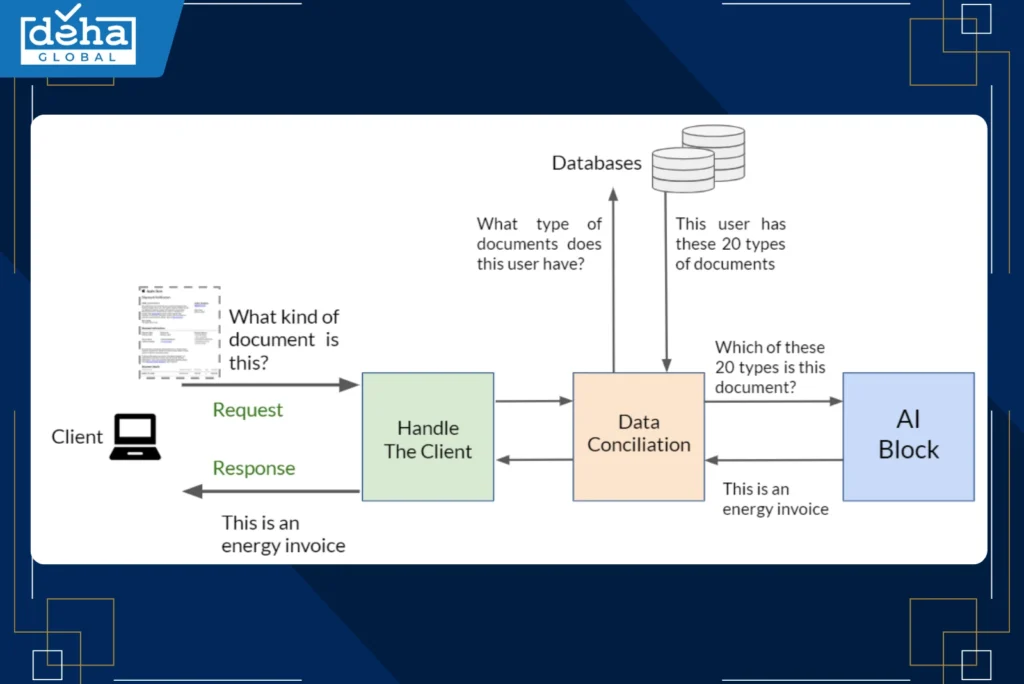
Embarking on the journey of product development requires meticulous planning and strategic decision-making. Understanding the essential components that validate an idea’s feasibility is crucial. Below, we will explore the key elements that constitute a Proof of Concept (PoC).
#1- Clear Objective Definition
Establishing a well-defined goal is crucial for an AI PoC. It focuses on answering specific questions, such as whether a particular AI algorithm can solve a defined problem. This clarity ensures that the PoC addresses the core feasibility aspects without unnecessary complexity.
In my view, a clear objective serves as the foundation for measuring success and determining the next steps in AI development.
#2- Limited Scope
An effective PoC is narrow in scope, concentrating on validating the feasibility of the core idea or technology. This approach allows for focused testing and evaluation without the distractions of broader implementation concerns.
From an expert’s perspective, maintaining a limited scope helps in quickly identifying potential challenges and making informed decisions about proceeding with full-scale development.
#3- Rapid Development and Deployment
Speed is essential in a PoC to quickly assess feasibility and gather insights. By developing and deploying the PoC swiftly, teams can evaluate the AI solution’s potential without significant time investment. This rapid approach facilitates agile decision-making and allows for timely pivots if necessary.

#4- Realistic Testing Environment
Conducting tests in an environment that closely mirrors real-world conditions is vital for accurate assessment. This realism ensures that the PoC’s results are applicable and reliable.
Experts often recommend simulating actual operational settings to uncover potential issues that might not be evident in controlled environments.
#5- Stakeholder Involvement
Engaging relevant stakeholders throughout the PoC process ensures alignment with business objectives and user needs. Their feedback is invaluable in refining the AI solution.
From a professional standpoint, active stakeholder participation increases the likelihood of successful adoption and integration of the AI solution.
Determining the appropriate approach to product development can be challenging. Selecting the right methodology is vital for success. In the following section, we will delve into scenarios where employing the PoC method is most advantageous.
#1- Innovative or Unproven Concepts
When introducing new AI technologies or approaches that haven’t been tested in your specific context, a PoC helps determine their feasibility and suitability.
#2- High-Risk Projects
For projects involving significant investments, sensitive data, or critical business processes, a PoC allows for risk assessment and mitigation before full-scale implementation.
#3- Complex Problem-Solving
When addressing complex problems with uncertain data quality or availability, a PoC helps evaluate whether AI can effectively handle the intricacies involved.

#4- Demonstrating Feasibility to Stakeholders
If there’s a need to showcase the potential of an AI solution to stakeholders or investors, a PoC provides tangible evidence of feasibility and value.
#5- Assessing Market Demand
Before committing to a full product launch, a PoC can test market interest and gather user feedback to inform development.
An AI Minimum Viable Product (MVP) is a simplified version of an AI solution that includes only the essential features necessary to address a specific problem or meet a particular need. Its primary purpose is to quickly deliver a functional product to users, enabling the collection of valuable feedback for iterative development.
For example, Spotify’s initial MVP focused on delivering a straightforward music streaming experience, allowing users to listen to music without the complexities of a full-featured application.
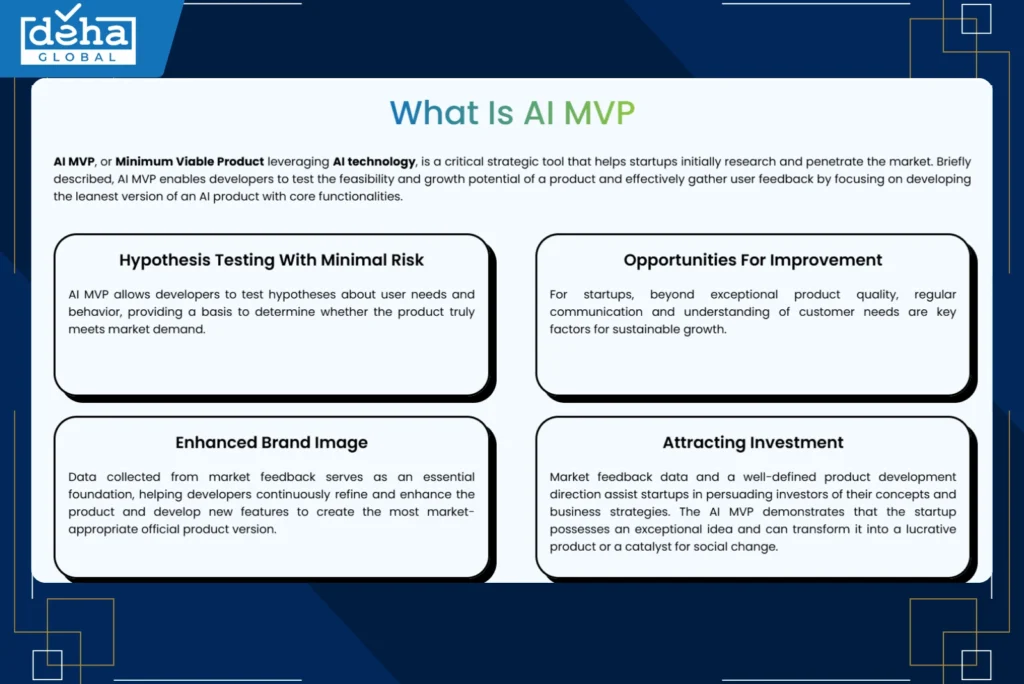
Transforming a conceptual idea into a tangible product necessitates a focus on core functionalities that meet user needs. Identifying these fundamental features is imperative. Subsequently, we will discuss the characteristics that define an effective AI Minimum Viable Product (MVP).
#1- Core Functionality Focus
An AI MVP should prioritize the fundamental features that directly address the user’s primary pain points. By concentrating on these core functionalities, developers can ensure that the product delivers immediate value without unnecessary complexity. This focus facilitates efficient resource utilization and accelerates time-to-market. In my view, emphasizing core functionality is crucial for validating the product’s value proposition early in the development process.
#2- User-Centric Design
Designing the AI MVP with the end-user in mind enhances usability and engagement. A user-friendly interface and intuitive interactions encourage adoption and provide meaningful insights into user preferences and behaviors. From an expert’s perspective, a user-centric design is essential for gathering actionable feedback and fostering a positive user experience.
#3- Scalability Considerations
While an MVP is a simplified version of the final product, it should be built on a scalable architecture to accommodate future growth and feature enhancements. This foresight allows for seamless integration of additional functionalities based on user feedback and market demands. In my opinion, incorporating scalability from the outset prevents costly overhauls and supports sustainable product evolution.
#4- Data Collection and Analytics
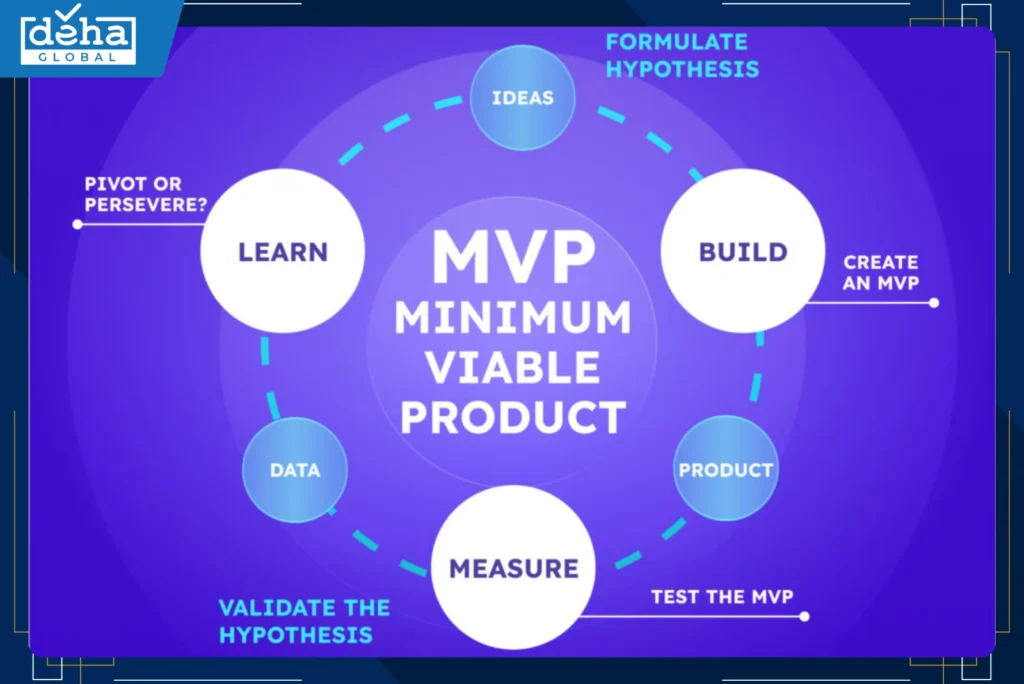
Implementing robust data collection and analytics mechanisms within the AI MVP enables the gathering of user interactions and feedback. This data is invaluable for understanding user needs, identifying areas for improvement, and making data-driven decisions for future development. Experts emphasize that data-driven insights are fundamental for refining AI solutions and achieving product-market fit.
#5- Iterative Development Process
An AI MVP should be developed with an iterative approach, allowing for continuous refinement based on user feedback and performance metrics. This adaptability ensures that the product evolves in alignment with user expectations and market trends. From a professional standpoint, embracing iterative development is key to maintaining relevance and competitiveness in a dynamic market.
Deciding when to introduce a product to the market involves careful consideration of its readiness and potential impact. Timing the release appropriately is essential. We will then examine the optimal circumstances for implementing the MVP method.
#1- Market Validation
When introducing a new AI product or feature, an MVP helps test market interest and demand before committing significant resources. This approach allows businesses to validate hypotheses about user needs and preferences. For instance, Dropbox initially launched a simple MVP to gauge user interest in file-sharing services, leading to insights that shaped its current offerings.
#2- Resource Optimization
Developing an MVP enables efficient allocation of resources by focusing on essential features that deliver value. This strategy minimizes waste and ensures that development efforts are aligned with user needs. In my view, this approach is particularly beneficial for startups and organizations operating with limited resources.
#3- User Feedback Integration
An MVP provides a platform for collecting user feedback early in the development cycle. This feedback is crucial for refining the product and ensuring that it meets user expectations. Experts highlight that integrating user feedback leads to higher user satisfaction and product adoption rates.

#4- Risk Mitigation
By validating assumptions and testing the product concept with real users, an MVP helps identify potential risks and challenges. Addressing these issues early reduces the likelihood of project failure and supports informed decision-making. From an expert’s perspective, this proactive approach is essential for navigating the uncertainties inherent in AI product development.
#5- Accelerated Time-to-Market
Utilizing an MVP approach allows for a quicker launch, enabling businesses to enter the market rapidly and start engaging with users. This speed can be a competitive advantage and provides opportunities for early revenue generation. In my opinion, accelerating time-to-market is crucial in fast-paced industries where being first can lead to significant market share.
Here’s a concise comparison table highlighting the key differences between Proof of Concept (PoC) and Minimum Viable Product (MVP):
| Aspect | Proof of Concept (PoC) | Minimum Viable Product (MVP) |
| Scope and Objective | Focuses on testing the feasibility of an idea or technology. | Aims to demonstrate the product’s core value with essential features. |
| Development Approach | Involves creating a simple model to validate technical viability. | Employs agile, iterative development to gather market feedback and refine the product. |
| Risk Management | Primarily concerned with identifying and exploring potential technical risks. | Focuses on mitigating risks related to market acceptance and user adoption. |
| Audience | Typically intended for internal stakeholders and technical teams. | Targeted towards early adopters and potential customers for real-world feedback. |
| Outcome | Results in a feasibility report or prototype to inform decision-making. | Produces a functional product with core features to validate market demand and user engagement. |
In the dynamic landscape of AI integration, CEOs, CIOs, and CTOs often face the decision between initiating a Proof of Concept (PoC) or advancing directly to a Minimum Viable Product (MVP). While both approaches serve distinct purposes, developing an AI MVP is generally more advantageous in a business context for several key reasons:
Developing an AI MVP allows businesses to swiftly introduce a functional product to the market, facilitating early user engagement and feedback collection. This rapid deployment enables timely adjustments and enhancements, aligning the product more closely with market demands.
An AI MVP emphasizes delivering core functionalities that address specific user needs, fostering a user-centric approach. By focusing on essential features, businesses can validate assumptions and iterate based on real user interactions, leading to a more refined and user-aligned product.
Developing an MVP necessitates prioritizing features that offer the most value, promoting efficient use of resources. This approach ensures that development efforts are concentrated on functionalities with the highest impact, optimizing both time and budget expenditures.
Presenting an AI MVP to stakeholders provides tangible evidence of progress and potential, aiding in securing continued support and investment. The concrete demonstration of a working product enhances confidence and enthusiasm among stakeholders.
For CEOs, CTOs, and other business leaders aiming to integrate AI solutions seamlessly, DEHA Global’s AI MVP Development services present an invaluable opportunity. An AI MVP, or Minimum Viable Product leveraging AI technology, serves as a strategic tool to test market feasibility with minimal risk by focusing on core functionalities.
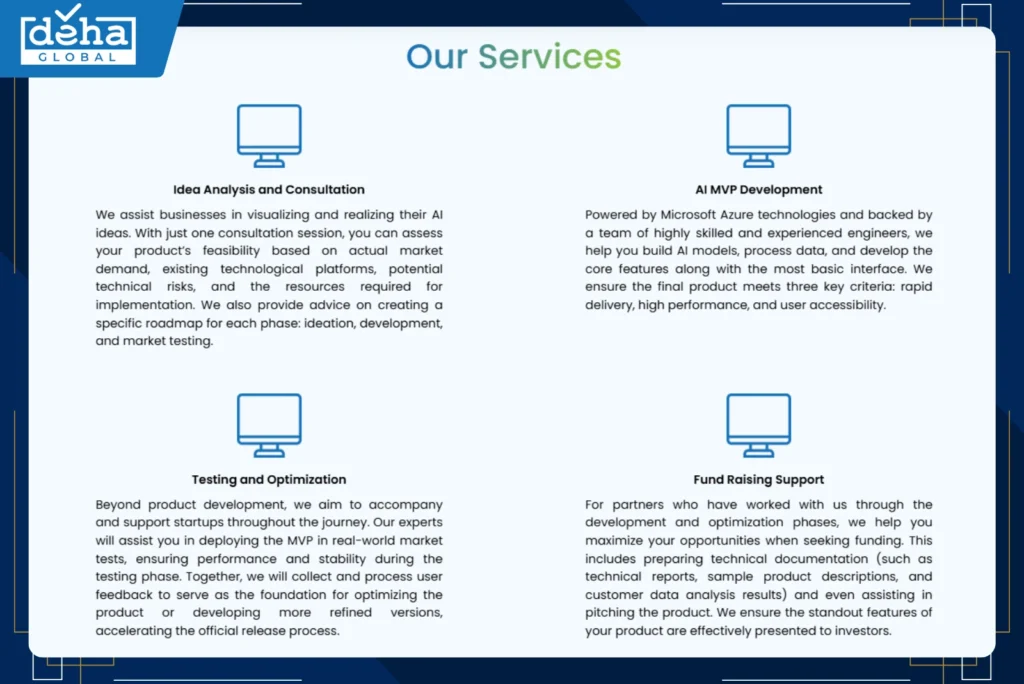
DEHA Global offers a suite of services tailored to bring your AI product visions to life:
By partnering with DEHA Global, business leaders can effectively navigate the complexities of AI integration, ensuring that their AI MVPs are developed efficiently, meet market needs, and position their companies for future growth and innovation.
To sum up, we have distinguished the core purposes of an AI Proof of Concept (PoC) versus a Minimum Viable Product (MVP), highlighting that a PoC validates technical feasibility. At the same time, an MVP aims to test market viability. Before launching any AI initiative, clearly define your project goals; if you seek to demonstrate technical potential internally, a PoC is optimal, but if you intend to gather user feedback and validate market demand, prioritize an MVP.