

In today’s digital era, chatbots have become a familiar tool for many businesses. However, the rise of Generative AI (GenAI) marks a major transformation — turning chatbots from simple, rule-based responders into intelligent assistants that can truly understand and communicate like humans.
So, what truly differentiates traditional chatbots from the new generation of GenAI-powered chatbots?
1. Traditional Chatbots – Scripted Responders
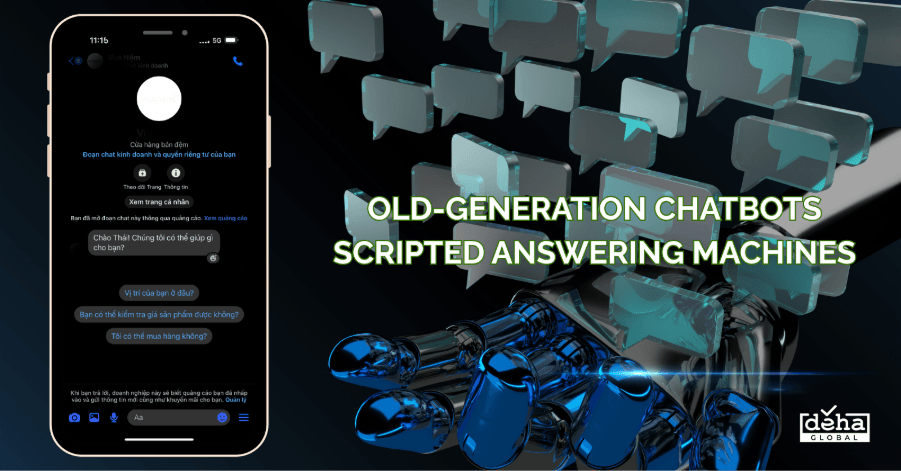
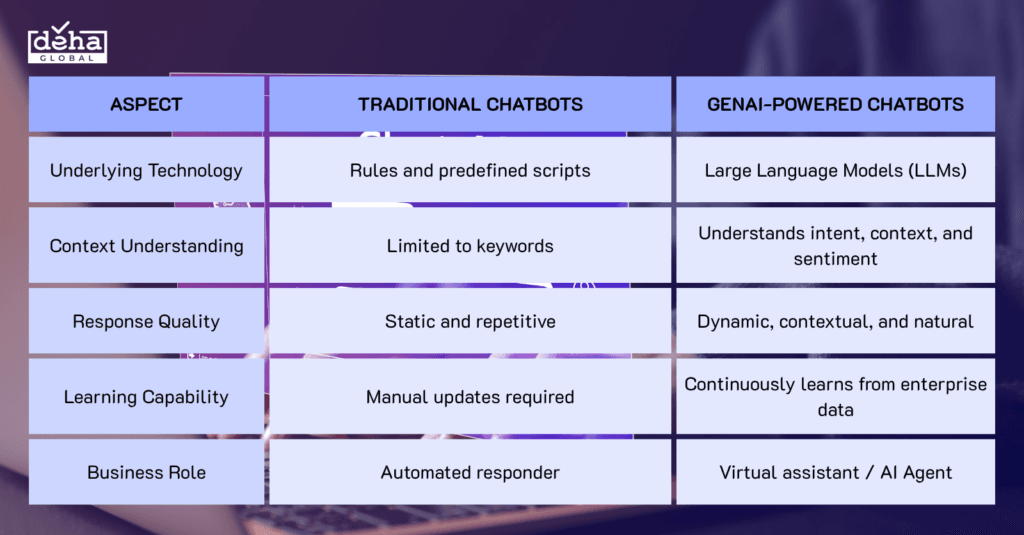
Earlier generations of chatbots were rule-based or keyword-driven, designed to recognize specific inputs and return predefined responses.
While this approach automated basic customer support, it came with clear limitations:
- Poor understanding of complex or open-ended questions.
- Rigid and repetitive conversations.
- Inability to maintain context across multiple interactions.
According to Gartner (2023), more than 70% of traditional chatbots failed to meet user expectations due to their lack of contextual understanding and natural communication.
Simply put, old-generation chatbots were machines that answered — not assistants that understood.
2. GenAI Chatbots – Intelligent Assistants Empowered by Understanding
The integration of Generative AI and Large Language Models (LLMs) such as GPT, Claude, or Gemini has completely redefined what chatbots can do.
These new-generation chatbots can:
- Comprehend context, intent, and emotion in user interactions.
- Generate natural, human-like responses instead of repeating canned phrases.
- Access internal enterprise data (CRM, ERP, knowledge bases) to provide accurate and brand-aligned answers.
- Perform tasks — from generating reports, scheduling meetings, to sending emails or retrieving insights.
According to McKinsey (2024), companies adopting GenAI chatbots achieved:
- 40–60% reduction in customer service workload.
- 30% improvement in customer satisfaction.
- 20–25% decrease in overall operational costs.
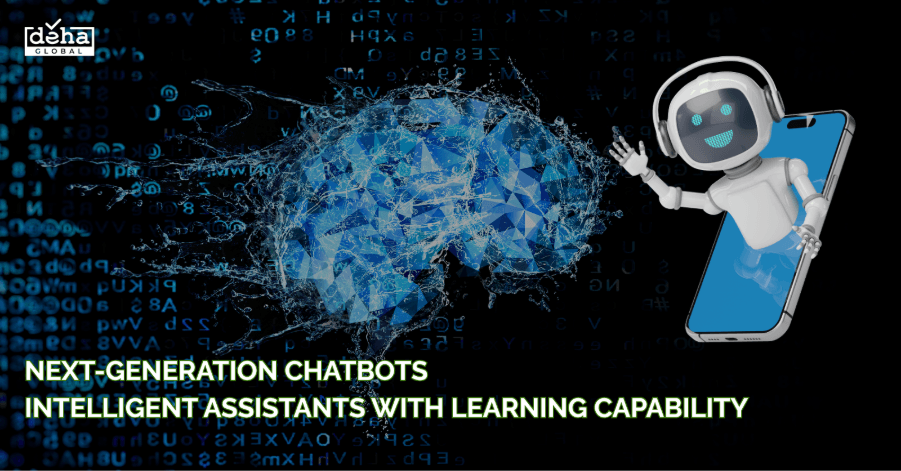
GenAI chatbots don’t just reply — they learn, understand, and act on behalf of users.
3. From “Responding” to “Understanding”
4. Real-World Applications
- Bank of America – “Erica”: Handles 1.5B+ client interactions annually, available 24/7.
- KPMG & Deloitte: Internal GenAI assistants save 45% employee time spent on information search.
- Sephora: AI beauty advisor boosts online conversions by 11% and CSAT by 22%.
These examples demonstrate how GenAI chatbots have evolved from tools to strategic assets — improving efficiency, experience, and brand value.
5. The Global Outlook
According to Gartner (2025):
“By 2027, 80% of global enterprises will deploy at least one Generative AI application — primarily in customer service and marketing automation.” Meanwhile, IDC (2025) projects the GenAI chatbot market to reach USD 42.3 billion by 2030, growing at a CAGR of 36%.
6. Conclusion: The New Era of Intelligent Dialogue
If traditional chatbots were simply machines that reply, GenAI-powered chatbots have become intelligent companions that understand.
They move beyond recognizing the question — to recognizing the person behind it.
Traditional chatbots answer. GenAI chatbots understand.
From “responding correctly” to “understanding deeply” — that’s the true evolution of AI in human-machine communication.
Ready to Build Your Own GenAI Chatbot?
At DEHA Global, we help enterprises transform customer interactions through AI-powered automation and intelligent assistants.
Our Enterprise GenAI Solutions are designed to:
- Enhance CX through smart, context-aware chatbots
- Integrate seamlessly with existing data systems (CRM/ERP)
- Maintain enterprise-grade security and AI governance
Discover how DEHA Global can help you build your next-gen AI Chatbot.
Contact our AI team → https://deha-global.com/contact-us/